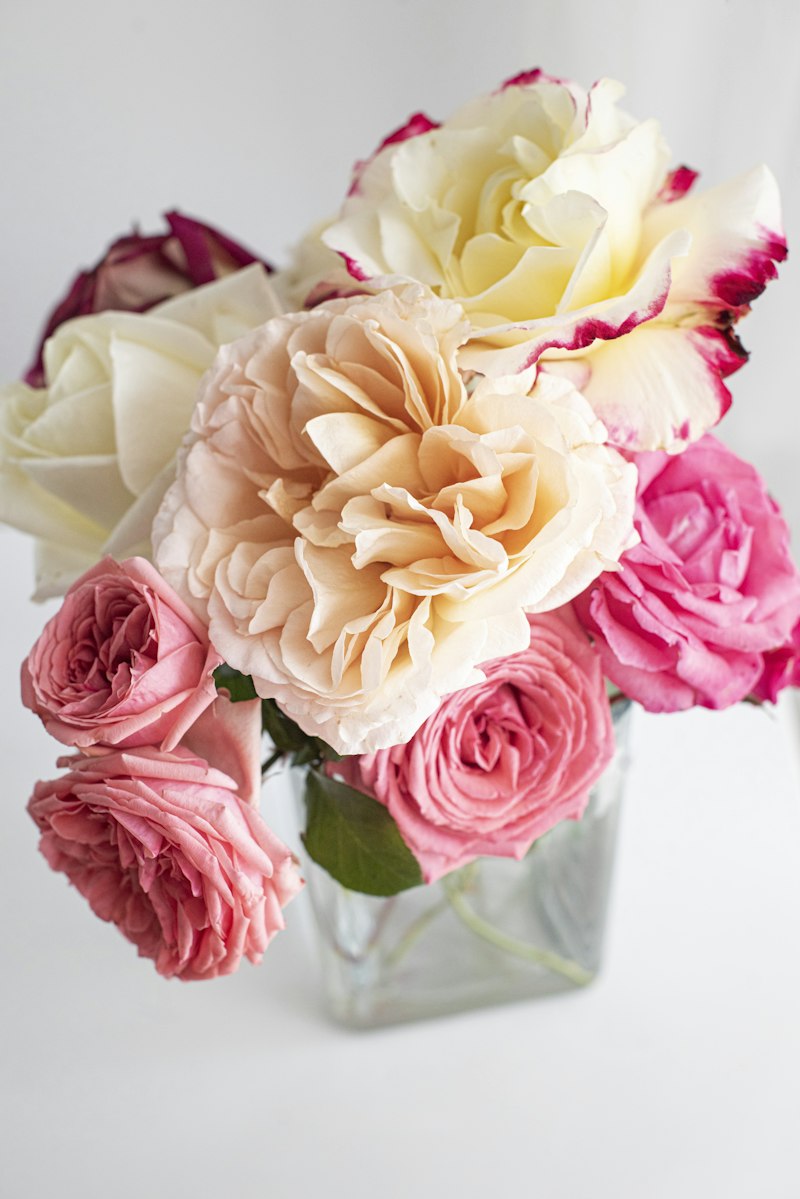
There's nothing quite like the joy of receiving a beautiful bouquet of fresh flowers. Whether it's a romantic gesture, a celebration gift, or simply a treat for yourself, you naturally want those blooms to stay vibrant and fresh for as long as possible. As a professional florist with years of experience, I'm sharing the insider secrets we use to maximize the lifespan of cut flowers.
Start with a Clean Foundation
The first and most critical step begins before you even place your flowers in water. Cleanliness is paramount when it comes to flower care. Any bacteria present in your vase or on cutting tools will significantly shorten the life of your blooms.
Thoroughly wash your vase with hot, soapy water and rinse it completely. If you're reusing a vase that previously held flowers, consider using a small amount of bleach in your cleaning water to eliminate any lingering bacteria. Clean scissors or floral shears are equally important – wipe the blades with rubbing alcohol before making any cuts.
The Art of Stem Trimming
One of the most impactful things you can do for your flowers is to trim the stems properly. Always cut stems at a 45-degree angle using sharp, clean scissors or garden shears. This angled cut increases the surface area for water absorption and prevents the stem from sitting flat against the bottom of the vase, which would block water intake.
Cut at least one to two inches from the bottom of each stem, and make these cuts while the stems are submerged in water if possible. This prevents air bubbles from entering the stem's vascular system, which can block water flow. Repeat this trimming process every few days to maintain optimal water absorption.
Water Quality and Temperature Matter
The water you use plays a crucial role in flower longevity. Always use fresh, room-temperature water for most flower varieties. Cold water can shock tropical flowers, while hot water can cause premature blooming and wilting.
Fill your vase with enough water to submerge at least half of the stems, but avoid letting foliage sit below the waterline, as this promotes bacterial growth. Change the water completely every two to three days, or whenever it begins to look cloudy. Fresh water means less bacteria, which translates directly to longer-lasting blooms.
Flower Food Isn't Optional
That small packet of flower food that comes with professional arrangements isn't just a nice gesture – it's a scientifically formulated solution that can double the lifespan of your flowers. Flower food typically contains three key ingredients: sugar to nourish the blooms, acid to maintain proper pH levels, and a biocide to prevent bacterial growth.
If you don't have commercial flower food, you can create a simple substitute by mixing one teaspoon of sugar, two teaspoons of lemon juice, and half a teaspoon of bleach per quart of water. However, commercial flower food is specifically balanced for optimal results and is worth using when available.
Location and Environment
Where you place your flower arrangement significantly impacts its longevity. Keep flowers away from direct sunlight, heating vents, radiators, and air conditioning units. Extreme temperatures and drafts cause flowers to dehydrate and wilt prematurely.
Also avoid placing arrangements near ripening fruit, especially bananas, apples, and avocados. These fruits emit ethylene gas, a natural plant hormone that accelerates aging and wilting in flowers. A cool spot away from these hazards will help your blooms last much longer.
Remove Wilting Blooms Promptly
As individual flowers begin to fade, remove them from the arrangement immediately. Dying flowers release ethylene gas and promote bacterial growth, both of which negatively affect the remaining healthy blooms. By removing spent flowers, you protect the rest of your arrangement and maintain its visual appeal.
Don't hesitate to rearrange the remaining flowers to fill in gaps. Sometimes a smaller, well-composed arrangement can be just as beautiful as the original larger bouquet.
Special Considerations for Specific Flowers
Different flower varieties have unique care requirements. Roses benefit from having their thorns and lower leaves removed before arranging. Lilies should have their pollen-heavy stamens removed to prevent pollen stains and extend bloom life. Tulips continue growing in the vase, so you may need to trim them more frequently.
Woody-stemmed flowers like hydrangeas and lilacs should have their stems crushed or split vertically at the bottom to improve water absorption. Flowers with hollow stems, such as amaryllis, benefit from being turned upside down and filled with water before arranging.
The Professional Touch
Following these care guidelines can extend the life of your flowers by days or even weeks, depending on the variety. At Metro Atlanta Flower Delivery, we take pride in providing the freshest blooms along with care instructions to help our customers enjoy their arrangements as long as possible.
Remember, proper care starts the moment flowers are cut and continues through their entire display life. With these professional techniques, you'll maximize both the beauty and longevity of every bouquet that enters your home.
Want flowers that start fresh and last longer? Our expert team sources the finest blooms and ensures they're properly conditioned before delivery. Contact us to experience the difference quality and care make.